



























On Tuesday, January 27, most of the world prepared for Valentine’s Day and the Lunar New Year. The Bulletin of Atomic Scientists, however, had more grim matters in mind. On that fatalistic morning, the Bulletin set the Doomsday Clock to 85 seconds to midnight, symbolizing how close humanity is to the end of civilization.
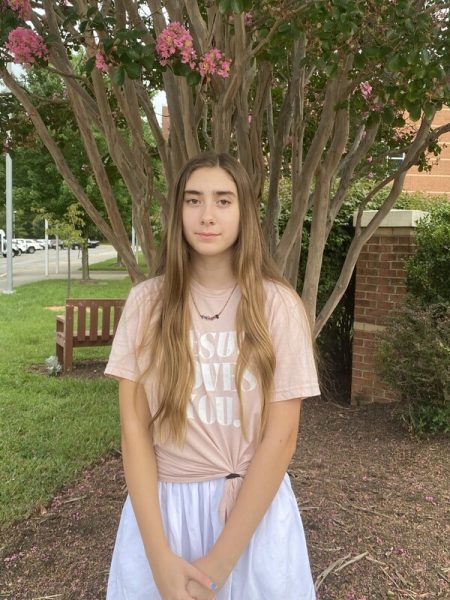
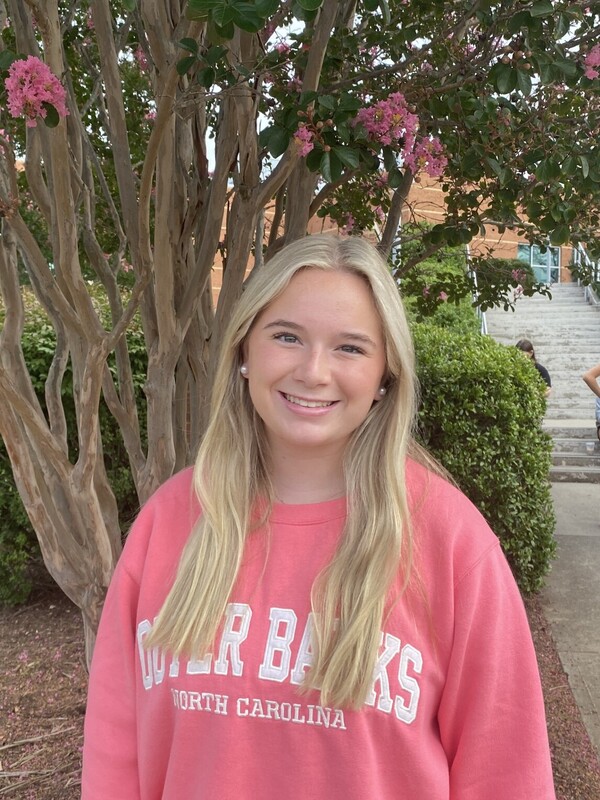
When asked, freshmen Sicily Fender and Kaitlyn Kingsley said they weren’t aware of the Doomsday Clock’s existence. Because of this, Fender said, “it’s probably not something to worry about too much, since we didn’t even know about it.”
In 1947, when the clock was created, the time was seven minutes to midnight. It’s been pushed closer and farther from midnight since then. In 1991, the clock was the farthest, at seventeen minutes (because of START 1 and the end of the Cold War.) It’s now at its closest time.
Kingsley said, “the threat of World War III, global warming, and the rising influence of AI are reasons I think they moved the clock closer to midnight,” which is similar to the reasons listen by the Bulletin.
An important question that is provoked with the movement is: Is the clock’s movement out of the public’s control? “I don’t think it’s something we can do much about,” Fender said. Kingsley listed small acts that could combat the rise of artificial intelligence and climate change such as recycling, choosing to ride a bike or electric scooter instead of a car, and boycotting ChatGPT.
In summary, the amount of concern given to the clock’s movement is unique to each person and depends on personal views and research. The one of most important things in 2026 is education on current events, considering the amount of issues arising and bias in media. Go Titans!