






























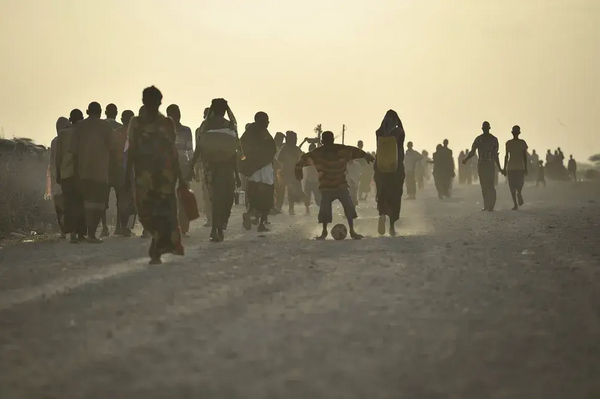
The Civil War in Sudan is not just a fight between powerful groups, it is a crisis that has changed everyday life for millions of people. Since fighting began in April 2023 between the Sudanese Armed Forces and the Rapid Support forces, fear has taken over cities and towns. Streets that once held markets and conversations are now filled with checkpoints, gunfire, and silence.
It began when leaders of the countries two biggest armed forces, General Abdel Fattah al- Burhan of the Sudanese armed forces (SAF) and Mohamed Hamdan Dangelo, better known as Hemedti, leader of the (RSF), started fighting over control of the country. These two groups were once allies but fell out as they argued over how Sudan should be run after years of military rule. The conflict quickly spread from the capital Khartoum, into regions like Darfur, Kordofan, and others, tearing apart communities that once lived side by side.
The war created one of the worse humanitarian crises in the world. Today, more than 13-15 million people have been forced to flee their homes, with 9.3 million being displaced inside Sudan and about 4 million people seeking safety in neighboring countries like Chad, South Sudan, Egypt, and Ethiopia. Estimates of people killed vary widely, but most put the number in the tens or thousands to over 150,000 lives lost.
The fighting has devastated basic needs. For example, hospitals are out of supplies, many schools are closed, and disease outbreaks and hunger threaten millions.
Lana Qasem stated that, “no matter what conflicts are going on between politics it should never effect the people to the point where many are dying from starvation.”
Outside countries have also influenced the conflict. Russia and Iran have been linked with support for the SAF, while the United Arab Emirates is widely reported to have backed the RSF, often through arms and financial networks.