






























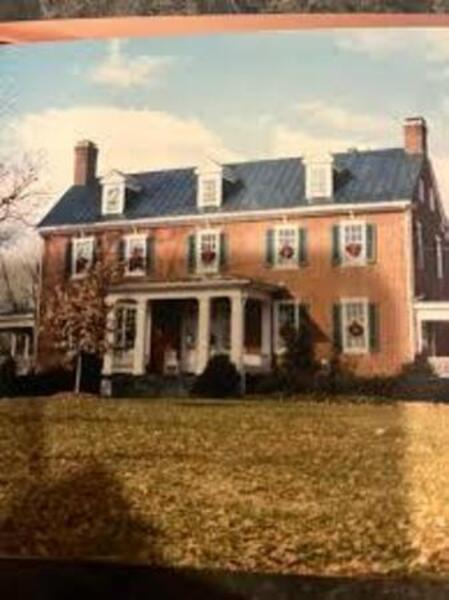
Built in 1819, the Huntingdon Mansion stands out as one of the few remaining structures that offer a glimpse into Roanoke’s early history. Formerly surrounded by a 500-acre working plantation, the manor has reduced to 5 acres over the years of the city’s development. Despite its architectural and historical significance, the home has been vacant for years.
While this house is listed on home registry by The Virginia Department of Historic Resources, the mansion has become a large point of frustration for the community.
Gale Whittemore further expressed his concerns about Huntingdon’s impact on the safety of the neighborhood. He described the house’ current condition stating, “There’s trash and clothes all over the yard, broken windows, and a rotting deck.” Whittemore additionally shared the negative impact it had on real estate in the nearby community, “The value of homes nearby has decreased a fair amount, because most people don’t find living near a large, abandoned building to be very appealing.”
While the property’s condition has declined, the Huntingdon continues to hold significance within the local community.
In more recent decades, the Huntingdon Mansion transitioned from private residence to abandoned landmark. Maybel Whittmore is a local resident who has lived in a home nearby since the late 1960’s. “The home was thriving when I was in my early twenties, it’s crazy to see how the city allows such a historic beauty be so neglected,” she shared. Whitmore described that the home has “immense potential,” and that she is hopeful it will be renewed sometime in the near future.
Once a prominent and well-known symbol of status in Southwest Virginia, Huntingdon’s Mansion faces an uncertain future. It’s possible that if nothing changes, one of the city’s most remarkable artifacts of history could be lost to neglect, erasing an important era of historical Roanoke, Virginia.